Voluntary in Name Only: What State Schools Can and Cannot Legally Charge UK Parents
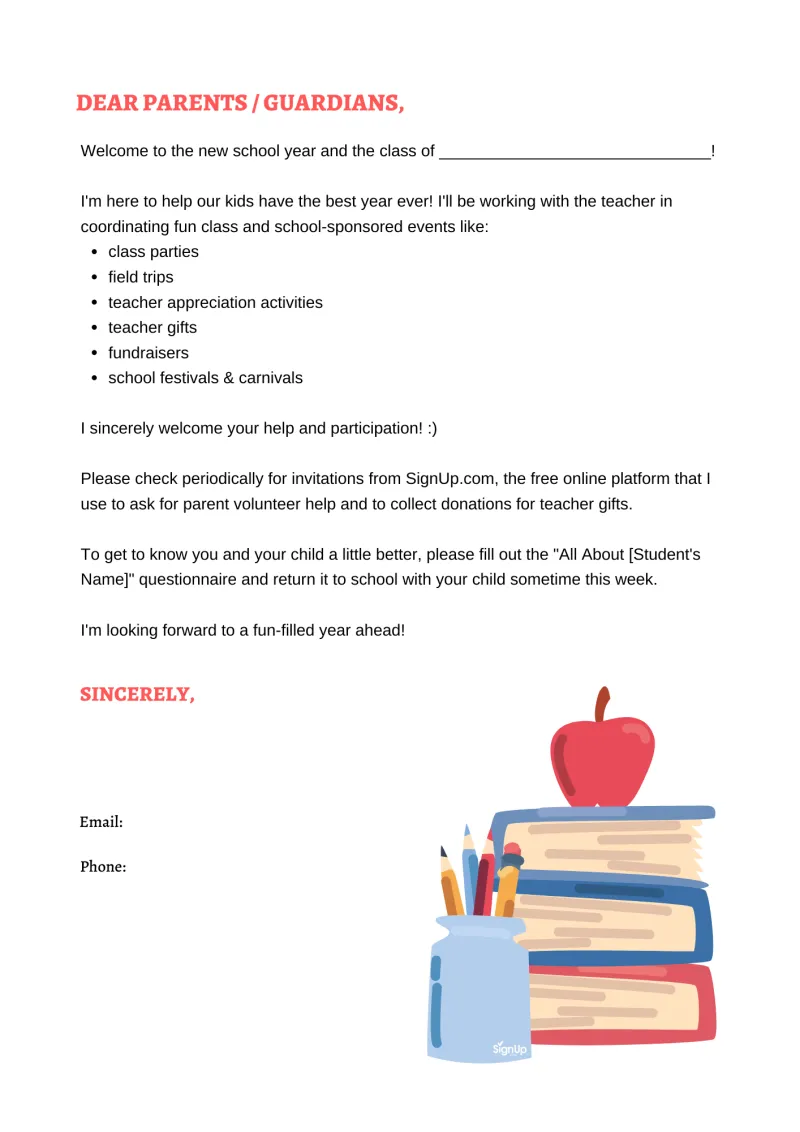
Photo: school trip letter parent reading at kitchen table UK, via vspot.s3.amazonaws.com
The letter arrives in a child's book bag on a Tuesday afternoon. It describes an upcoming school trip — a museum visit, a theatre performance, a residential week — and requests a 'contribution' of a specified amount, sometimes accompanied by a payment deadline and a reminder that 'the trip may not be able to go ahead without sufficient support.' The word 'voluntary' appears, but it is often positioned in a way that renders it almost invisible against the weight of expectation surrounding it.
For many families, particularly those on lower incomes, these letters generate anxiety disproportionate to the amounts involved. For schools operating under real financial pressure, the impulse to recoup costs through parental contributions is understandable. But the legal framework governing what state schools may charge parents is clear, largely unambiguous, and routinely ignored.
The Statutory Framework: What the Law Actually Says
The Education Act 1996 remains the foundational piece of legislation in this area. It establishes a fundamental principle: education provided during school hours must be free. This applies to all maintained schools in England and Wales, including academies and free schools (which are bound by equivalent provisions through their funding agreements).
The Act defines 'school hours' as the time during which a pupil is required to attend school, and it is explicit that no charge may be made for — among other things — education provided during those hours, materials or equipment used in that education, or activities that form part of the National Curriculum.
 Photo: National Curriculum, via m.media-amazon.com
The prohibition extends further. Schools may not charge for music tuition provided as part of the National Curriculum, for examination entry fees where the pupil has been prepared for the examination by the school, or for the cost of transport to activities that take place during school hours and are part of the curriculum.
Where schools wish to invite voluntary contributions towards activities — including trips that take place during the school day — they are legally required to make clear, in unambiguous terms, that the contribution is voluntary. Critically, no pupil may be excluded from an activity on the grounds that their parent or carer has not made a contribution. The school may cancel an activity if insufficient funds are raised, but it cannot deny a specific child access to an activity their peers are attending because their family did not pay.
What Schools Can Legitimately Charge For
The Act is not an absolute prohibition on all charges. There are categories of activity for which schools may levy fees, and understanding these is as important as knowing the limits.
Schools may charge for:
- Activities outside school hours that are not part of the National Curriculum, provided the charge does not exceed the actual cost of the activity and does not profit the school.
- Residential trips that fall wholly or mainly outside school hours — though the definition of 'mainly' has been the subject of dispute, and schools sometimes apply it loosely.
- Optional extras such as individual music tuition beyond the National Curriculum, school photographs, or holiday clubs.
- Damage caused by a pupil where the damage was the result of that pupil's behaviour — though charges must be reasonable and proportionate.
- Board and lodging on residential trips, even where the trip itself takes place during school hours, though pupils in receipt of Free School Meals must have these costs met by the local authority or governing body.
Schools must also have a charging and remissions policy, which is a statutory document that should be published on the school's website. This policy sets out what the school charges for and, crucially, what remissions (reductions or waivers) are available to families who cannot afford to contribute. If your school does not have this policy published, or if it does not include a remissions section, that is itself a governance failure worth raising.
The Tactics Used to Blur the Line
The gap between what the law requires and what schools actually communicate to parents is often significant. Several patterns recur with troubling frequency.
Framing contributions as near-mandatory. Letters that state the trip 'cannot go ahead' without sufficient contributions, or that set a payment deadline without clearly stating the voluntary nature of the request, create a strong implied obligation. Parents who do not read the small print — or who do not know their rights — frequently treat these requests as invoices.
Online payment systems that default to payment. Many schools use cashless payment platforms where a trip or activity appears in a parent's account as an outstanding item. The psychological framing of an unpaid balance — even where the payment is voluntary — prompts many parents to pay without questioning whether they are obliged to.
Opt-out shaming. Where schools do include voluntary language, they sometimes accompany it with phrasing such as 'to help ensure every child can attend' or 'for the benefit of all pupils.' This language implicitly positions non-payment as a failure of community responsibility, placing social pressure on families who cannot or choose not to contribute.
Inadequate remissions information. The statutory requirement to have a remissions policy is frequently met in form rather than substance — a brief paragraph buried in a lengthy policy document, with no proactive communication to families who might benefit from it. Parents on Universal Credit, those whose children receive Free School Meals, and families experiencing financial hardship are often entitled to have contributions waived entirely, but many never learn this.
How to Challenge Unlawful Requests Without Putting Your Child at Risk
Parents who identify a potentially unlawful charging practice face a legitimate concern: that challenging the school may have indirect consequences for their child's experience within it. This fear is understandable, but the legal protections are clear. A school that excludes a child from an activity because their parent challenged a voluntary contribution request would be acting unlawfully and in breach of its own statutory duties.
The following approach allows parents to address concerns proportionately and constructively.
Request the school's charging and remissions policy. This should be available on the school website. If it is not, write to the headteacher requesting a copy. Review it against the activity in question.
Write to the school in clear, measured terms. If you believe a charge is unlawful, or that the voluntary nature of a contribution has not been adequately communicated, put your concerns in writing to the headteacher. Reference the Education Act 1996 and the school's own policy. Keep the tone factual and constructive.
Apply for a remission if you are eligible. If your family is experiencing financial hardship, you are entitled to request that the school waive any voluntary contribution. You should not need to provide extensive evidence of your circumstances; a reasonable explanation is sufficient.
Escalate to the governing body if necessary. Charging policies are a matter of school governance. If the headteacher does not respond adequately, you may write to the chair of governors. Every maintained school has a complaints procedure, and charging disputes fall within its scope.
Contact your local authority. Local authorities retain oversight responsibilities for maintained schools. If you believe a school is systematically breaching charging regulations, the local authority's school improvement or complaints team is an appropriate escalation point. For academies and free schools, complaints about funding agreement compliance may be directed to the Regional Director (formerly Regional Schools Commissioner).
The Principle at Stake
The right to a free state education is not a courtesy. It is a statutory entitlement that exists precisely to ensure that a family's financial circumstances do not determine the quality or breadth of their child's educational experience. When schools — however well-intentioned — allow that principle to erode through opaque communications and informal pressure, they undermine something fundamental.
Parents who push back on unlawful charging practices are not being difficult. They are doing exactly what the law anticipated they might need to do. And they are right to do so.