Locked In and Paying Up: How to Legally Exit a UK Gym Membership That No Longer Works for You
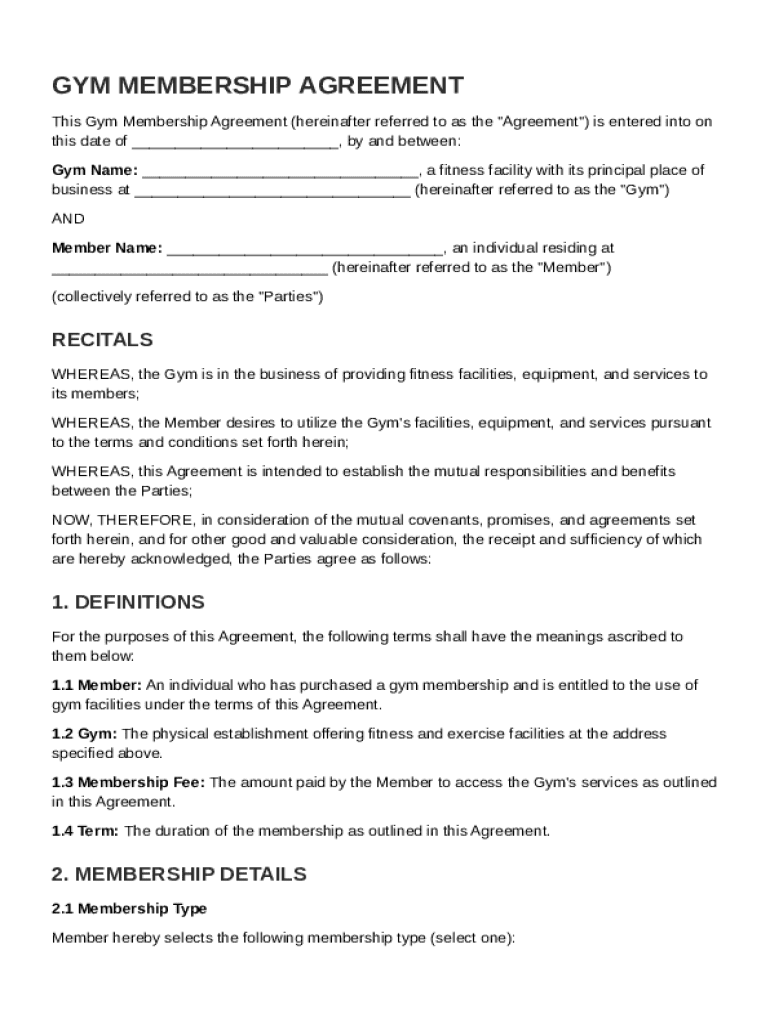
Photo: gym membership contract paperwork frustrated person UK, via www.pdffiller.com
Joining a gym is, for most people, an act of optimism. Leaving one, it turns out, can require considerably more determination. Across the United Kingdom, gym membership contracts have evolved into sophisticated instruments of financial retention — layered with terms designed not to inform members of their rights, but to obscure them. Monthly direct debits continue long after attendance has ceased. Cancellation requests are met with demands for notice periods that were never clearly explained at sign-up. And when members stop paying, debt collection agencies sometimes appear with surprising speed.
 Photo: United Kingdom, via wallpapercave.com
This is not accidental. It is a business model, and it relies on consumer inertia and ignorance in equal measure. Understanding your rights is the first step to exercising them.
What Gym Contracts Typically Contain — and Why That Matters
Most major UK gym chains — including PureGym, The Gym Group, Nuffield Health, David Lloyd, and others — operate on one of two broad contract structures: rolling monthly memberships, which theoretically offer flexibility, and fixed-term agreements, which lock members in for a defined period, typically twelve months.
The distinction sounds simple. In practice, it rarely is. Rolling monthly contracts frequently include notice period requirements — commonly one calendar month — meaning that cancelling 'immediately' still results in one further payment. Fixed-term contracts may permit early cancellation only in defined circumstances, with early exit fees applied otherwise. Both types often include automatic renewal clauses that extend the contract unless the member actively opts out before a specified deadline — a deadline that may be buried in the small print and never communicated proactively.
Cooling-off periods, where they exist, are sometimes presented as a goodwill gesture rather than a statutory right. This framing is misleading. Under the Consumer Contracts (Information, Cancellation and Additional Charges) Regulations 2013, consumers who purchase services online or over the phone are entitled to a 14-day cooling-off period during which they may cancel without penalty. If a gym fails to provide adequate information about this right, the cooling-off period is extended to twelve months and fourteen days.
Unfair Terms and the Consumer Rights Act 2015
The Consumer Rights Act 2015 is the most powerful tool available to gym members facing unreasonable contractual obligations. Under the Act, a term in a consumer contract is unfair if it creates a significant imbalance between the rights and obligations of the parties, to the detriment of the consumer. Unfair terms are not binding on the consumer, even if the consumer has signed the contract.
The Competition and Markets Authority (CMA) has previously taken enforcement action against gym operators over precisely these issues. In 2011, the Office of Fair Trading (the CMA's predecessor) secured commitments from several major gym chains to reform their contract terms following an investigation that found widespread use of unfair clauses. Despite this, problematic practices persist in various forms.
 Photo: Competition and Markets Authority, via c8.alamy.com
Terms that courts and regulators have found potentially unfair in gym contracts include:
- Automatic renewal clauses that extend minimum terms without clear, prominent notification to the consumer before the renewal date.
- Disproportionate early termination fees that do not reflect the gym's actual losses and effectively penalise consumers for exercising their right to exit.
- Vague or inaccessible cancellation procedures that place unreasonable administrative burdens on members seeking to end their membership.
- Unilateral price variation clauses that allow the gym to increase fees during a fixed-term contract without giving the consumer the right to exit.
If your contract contains any of these features, there are grounds to challenge it.
Circumstances That May Entitle You to Cancel Without Penalty
Even within a fixed-term contract, certain circumstances may give you the right to cancel without incurring early exit fees. These typically include:
Significant change in circumstances. Many gym contracts contain clauses permitting cancellation where a member can demonstrate that their circumstances have materially changed — for example, redundancy, serious illness or injury, pregnancy, or relocation to an area where the gym's facilities are not reasonably accessible. The threshold for what qualifies varies between providers, but a move of more than a specified distance (often fifteen miles) from the nearest branch is commonly accepted.
Material changes to the contract by the gym. If your gym increases its membership fees, alters its opening hours substantially, or reduces the facilities available to you during your contract term, this may constitute a material breach that entitles you to treat the contract as discharged. Document the change and write to the gym formally.
Failure to provide the service as described. If facilities were unavailable for extended periods, or if the gym misrepresented what was included in your membership at the point of sale, you may have a claim under the Consumer Rights Act for breach of contract.
How to Dispute Charges and Exit Cleanly: A Step-by-Step Approach
If you believe you are being held to an unfair contract or charged for a membership you are entitled to cancel, the following process gives you the strongest possible position.
Step 1: Obtain and read your contract in full. Request a copy from the gym if you no longer have one. Identify the specific clauses being invoked and note whether they were clearly communicated at the point of sale.
Step 2: Write a formal cancellation letter. Send this by email (retaining a copy) and, if possible, by recorded post. State clearly that you are cancelling your membership, the date from which you wish cancellation to take effect, and the legal basis for your cancellation if you are invoking a specific right. Keep the tone factual and professional.
Step 3: Cancel your direct debit — but not prematurely. Do not cancel your direct debit before the gym has acknowledged your cancellation, as this may be treated as a breach and used to justify debt collection activity. Once cancellation is confirmed in writing, instruct your bank to cancel the mandate.
Step 4: If the gym disputes your cancellation, respond in writing citing the specific provisions of the Consumer Rights Act 2015 or the Consumer Contracts Regulations, as appropriate. Make clear that you consider any disputed terms to be unfair and therefore non-binding.
Step 5: Escalate if necessary. If the gym continues to pursue payment it is not entitled to, you may raise a complaint with Citizens Advice, contact your local Trading Standards office, or — if the gym is a member of a relevant trade body — use its dispute resolution scheme. For amounts under £10,000, the small claims track of the county court is also available and does not require legal representation.
Step 6: Address any debt collection contact promptly. If a debt collection agency contacts you over a disputed amount, respond in writing disputing the debt and explaining the legal basis for your position. A debt that is genuinely disputed cannot be treated as an established liability.
The Broader Picture
The gym industry is not unique in its use of these tactics, but it is among the sectors where consumer frustration is most acute. The combination of enthusiastic sign-up processes, complex contracts, and opaque cancellation procedures creates a system that consistently favours operators over members.
Doing things rightly means knowing what you signed, understanding what you are entitled to, and acting on that knowledge without hesitation. The law provides substantial protection to consumers in this area. Using it is not confrontational — it is simply correct.