The Electric Vehicle Charging Racket: How Britain's EV Drivers Are Being Systematically Overcharged
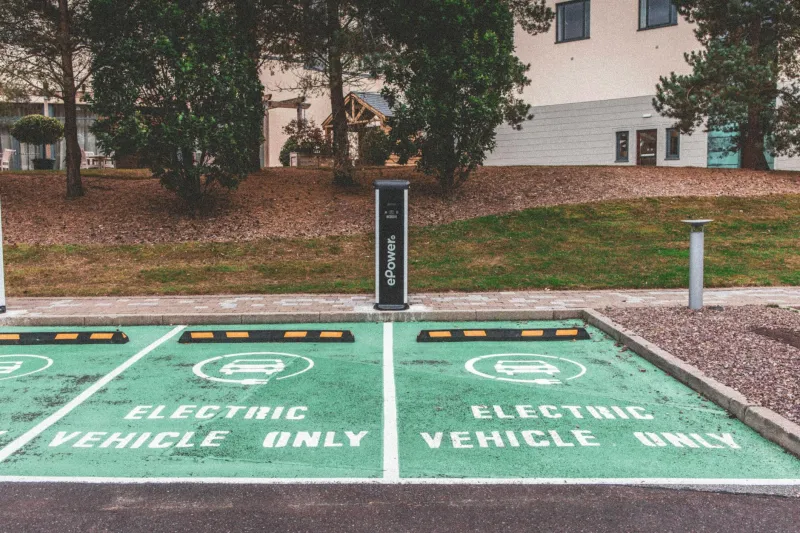
The Wild West of EV Charging Prices
Britain's electric vehicle charging infrastructure has expanded rapidly, but pricing transparency has not kept pace. While petrol stations display prices prominently, EV charging costs remain deliberately opaque, hidden behind complex tariff structures, membership schemes, and roaming fees that vary dramatically between networks.
The result is a market where identical charging sessions can cost anywhere from £8 to £40, depending on which network you choose and how well you understand their pricing strategies. This disparity isn't accidental – it's a calculated approach to maximise revenue from drivers who lack the knowledge to make informed choices.
Dissecting the Charging Cost Components
Public charging costs comprise several elements that networks manipulate to their advantage. The base electricity rate forms just one component, with connection fees, time-based charges, and membership premiums adding substantial costs that aren't immediately apparent.
Many networks employ per-minute charging rather than per-kWh rates, creating scenarios where slower charging sessions become disproportionately expensive. A 50kW rapid charger might cost the same per minute as a 150kW ultra-rapid unit, meaning you pay triple the rate per unit of energy delivered.
Connection fees add another layer of complexity. Some networks charge £1-3 simply for plugging in, regardless of how much energy you actually consume. For short top-up sessions, these fees can effectively double your charging costs.
The Membership Trap: When 'Savings' Cost More
Charging networks aggressively promote membership schemes promising significant savings, but the mathematics rarely favour typical users. Monthly subscriptions of £7-15 supposedly unlock reduced per-kWh rates, yet most drivers would need to charge exclusively on that network to break even.
The psychology is deliberate: drivers see the reduced member rates and assume they're getting value, without calculating whether their usage patterns justify the subscription cost. Networks benefit from predictable monthly revenue whilst maintaining high effective rates for most subscribers.
Roaming partnerships between networks add further complexity. Your membership with one provider might offer reduced rates on partner networks, but these arrangements often include markup fees that eliminate any meaningful savings.
Home vs Public: The True Cost Comparison
Home charging remains dramatically cheaper than public alternatives, typically costing 7-15p per kWh compared to 25-85p at public rapid chargers. However, many EV drivers underestimate this differential, treating public charging as a minor premium for convenience.
The reality is starker. A typical home charge adding 200 miles of range costs £4-8, whilst the same energy from a premium rapid charger could cost £25-35. Over a year, drivers heavily reliant on public charging might spend £2,000-3,000 more than those charging primarily at home.
Workplace charging offers a middle ground, often provided free or at reduced rates as an employee benefit. Many drivers overlook this option, defaulting to expensive public charging out of habit rather than necessity.
Network-Specific Strategies: Playing the System
Each major charging network employs distinct pricing strategies designed to maximise revenue whilst maintaining competitive appearances. Understanding these approaches enables strategic choices that dramatically reduce costs.
Instavolt charges simple per-kWh rates without membership complications, making cost calculations straightforward. However, their rates are typically higher than membership networks for frequent users.
Pod Point's membership model offers genuine savings for regular users, but their geographic coverage remains limited. Tesla's Supercharger network provides excellent value for Tesla owners but charges premium rates for other brands.
BP Pulse operates complex tiered pricing with membership discounts, connection fees, and time-based elements that make direct comparisons challenging. Their strategy relies on customer confusion rather than transparent value.
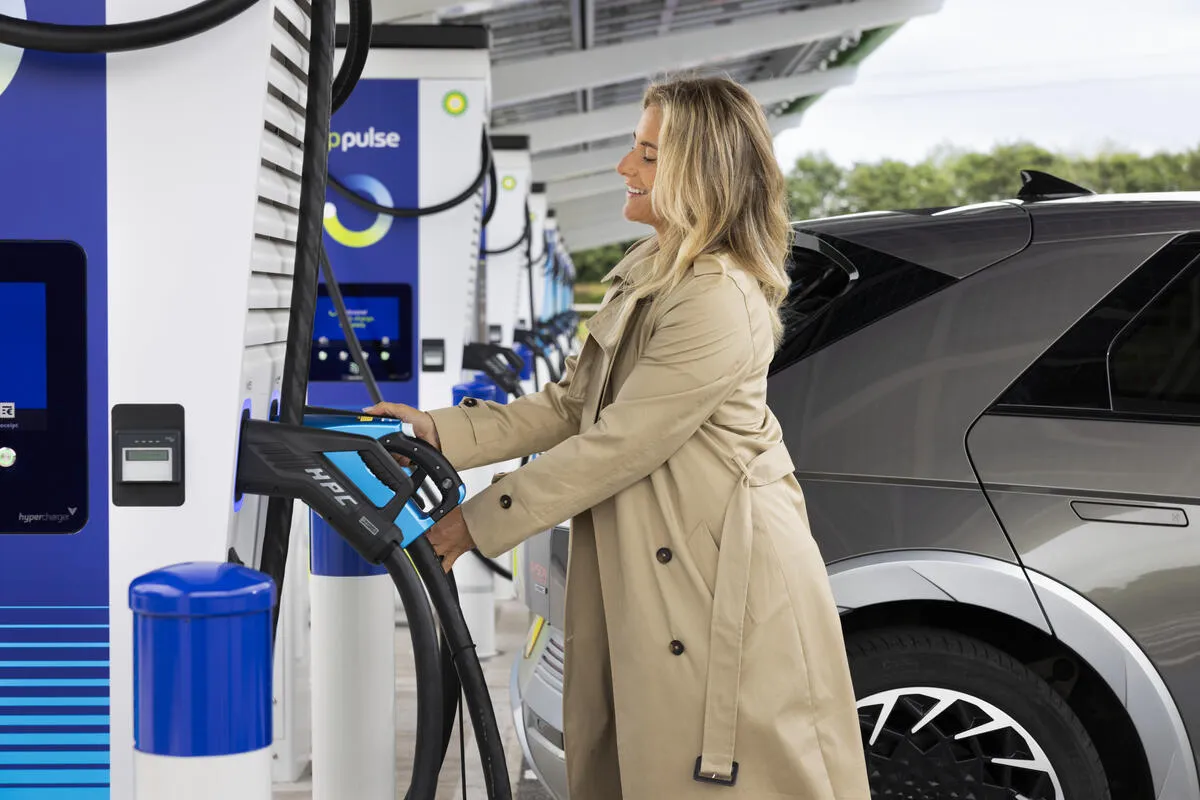 Photo: BP Pulse, via images.ctfassets.net
Timing Your Charges: When Location Matters
Charging costs vary significantly by location and time, creating opportunities for substantial savings through strategic planning. Motorway services command premium prices, often 30-50% higher than urban locations for identical charging speeds.
Destination charging at shopping centres, hotels, and leisure facilities often provides better value, particularly when combined with free parking. Some retailers subsidise charging costs to attract customers, effectively offering below-market rates.
Overnight charging at hotels frequently costs less than rapid charging during journeys, making it worthwhile to plan stops around accommodation rather than pure convenience.
The App Ecosystem: Hidden Costs and Benefits
Each charging network requires its own app, creating smartphone clutter and potential security concerns. However, these apps often contain pricing tools and location-specific rate information that can inform better charging decisions.
Third-party aggregation apps like Zap-Pay or Chargemap promise simplified access across multiple networks, but they typically add service fees that increase overall costs. The convenience might justify the premium for occasional users, but regular drivers benefit from direct network relationships.
Some apps offer dynamic pricing that varies with demand, similar to surge pricing in ride-sharing. Understanding these patterns enables off-peak charging at significantly reduced rates.
Regulatory Changes on the Horizon
Government pressure is mounting for improved pricing transparency in the EV charging sector. New regulations requiring clear per-kWh pricing display and standardised payment methods should reduce the current confusion, but implementation remains inconsistent across networks.
The Competition and Markets Authority has begun investigating potential anti-competitive practices in charging network pricing, particularly around exclusive site agreements that prevent price competition.
These regulatory interventions should eventually benefit consumers, but change is likely to be gradual rather than immediate.
Building Your Optimal Charging Strategy
Effective EV charging cost management requires a portfolio approach rather than loyalty to single networks. Identify the cheapest options in your regular locations – home, work, and frequently visited destinations.
For long journeys, plan charging stops around cost-effective locations rather than pure convenience. The extra few minutes' planning can save £10-20 per trip.
Monitor your actual usage patterns before committing to membership schemes. Many drivers overestimate their public charging needs and end up paying for subscriptions they don't use effectively.
Consider time-of-use electricity tariffs at home that offer very cheap overnight rates, making home charging even more economical compared to public alternatives.
The EV charging market's opacity benefits networks at drivers' expense, but informed consumers can navigate these complexities to achieve substantial savings. Understanding the pricing tactics being employed is the first step towards taking control of your charging costs.