The Volunteer's Hidden Safety Net: Legal Protections That UK Charities Don't Want You to Know

The Invisible Workforce's Forgotten Rights
Across Britain, approximately 20 million people contribute their time voluntarily to charitable causes, community groups, and public service organisations. This massive workforce generates an estimated £24 billion in economic value annually, yet most volunteers remain unaware that their unpaid status doesn't eliminate legal protections or organisational obligations towards their welfare and rights.
The assumption that volunteering exists in a legal vacuum has created a culture where well-meaning organisations inadvertently exploit dedicated individuals whilst volunteers themselves accept conditions and treatment they would never tolerate in paid employment. This knowledge gap benefits neither party: organisations face potential liability for unaddressed obligations, whilst volunteers miss opportunities to contribute more effectively within properly structured frameworks.
Health and Safety: Non-Negotiable Protection
Volunteers enjoy identical health and safety protections to paid employees under the Health and Safety at Work Act 1974 and subsequent regulations. This comprehensive coverage means organisations must provide safe working environments, appropriate training, necessary protective equipment, and clear procedures for reporting hazards or incidents.
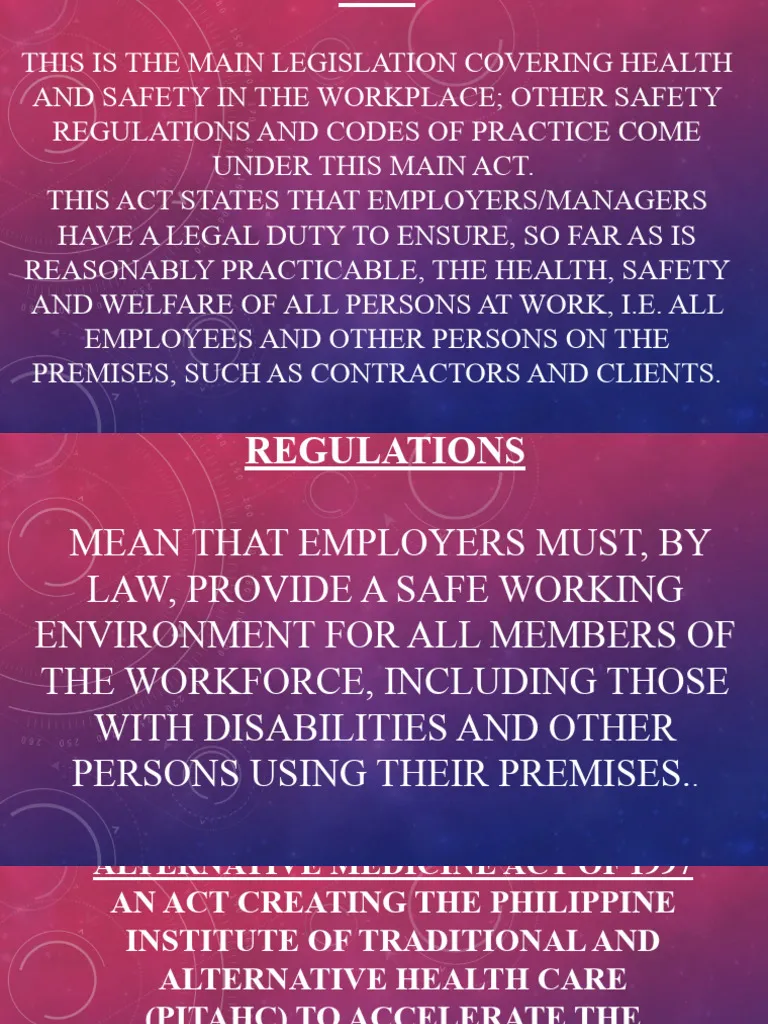 Photo: Health and Safety at Work Act 1974, via imgv2-2-f.scribdassets.com
Many volunteers incorrectly assume that accepting unpaid roles means accepting additional risks. In reality, organisations cannot lawfully expect volunteers to work in conditions that would be unacceptable for paid staff. Whether you're serving food at a community centre, maintaining footpaths for a conservation charity, or handling administrative tasks for a local organisation, you're entitled to proper risk assessments, safety briefings, and protective measures appropriate to your activities.
The practical implications extend beyond obvious physical risks. Volunteers working with vulnerable populations must receive appropriate safeguarding training and support. Those handling personal data need information governance training. Even seemingly low-risk activities like event organisation or fundraising require basic safety considerations around manual handling, lone working, and public interaction.
If your volunteer role lacks adequate health and safety provisions:
- Request written risk assessments for your activities
- Ask for safety training relevant to your tasks
- Report hazards through official channels
- Keep records of safety concerns and organisational responses
- Contact the Health and Safety Executive if serious risks remain unaddressed
 Photo: Health and Safety Executive, via safetyrac.co.uk
Expense Reimbursement: More Than Good Practice
Whilst volunteering involves donating time rather than money, organisations cannot expect volunteers to subsidise charitable activities through unreimbursed expenses. The Volunteer Centre UK guidelines emphasise that proper expense reimbursement represents essential good practice, whilst HMRC regulations provide tax advantages for organisations that handle volunteer expenses correctly.
 Photo: Volunteer Centre UK, via hullcvs.org.uk
Legitimate volunteer expenses typically include:
- Travel costs to and from volunteer activities
- Parking fees and public transport fares
- Meals during extended volunteer sessions
- Protective clothing or equipment not provided by the organisation
- Communication costs directly related to volunteer duties
- Training or development courses required for volunteer roles
Many organisations operate informal expense arrangements that disadvantage volunteers who cannot afford to subsidise their voluntary work. Proper expense policies should provide clear guidance about claimable costs, reasonable limits, and prompt reimbursement procedures. If your organisation lacks formal expense policies or consistently delays reimbursements, you're entitled to raise these issues without jeopardising your volunteer position.
The distinction between donations and expenses matters significantly for both volunteers and organisations. Unreimbursed legitimate expenses constitute involuntary donations that may not align with volunteers' intentions or financial circumstances. Conversely, excessive or inappropriate expense claims can jeopardise charitable organisations' tax status and regulatory compliance.
References and Recognition: Building Future Opportunities
Volunteer experience provides valuable skills development and demonstrates commitment to potential employers, yet many volunteers struggle to obtain meaningful references that reflect their contributions. Organisations have moral and practical obligations to provide fair, accurate references that help volunteers progress their careers or access further opportunities.
Effective volunteer references should address:
- Specific skills developed or demonstrated during volunteer work
- Reliability, initiative, and working relationships
- Particular achievements or contributions
- Relevant training completed
- Duration and consistency of volunteer involvement
Some organisations resist providing detailed references, citing resource constraints or liability concerns. However, volunteers who contribute significant time and effort deserve recognition that supports their future aspirations. If reference requests are declined or inadequately addressed, consider approaching senior volunteers, trustees, or service users who can speak to your contributions.
Maintaining your own records of volunteer achievements, training, and feedback provides valuable reference material whilst demonstrating professional development approaches that impress potential employers. Many volunteer roles offer learning opportunities that exceed those available in entry-level paid positions, but capturing and communicating these benefits requires proactive documentation.
The Employment Boundary: When Volunteering Becomes Work
HMRC maintains strict criteria distinguishing genuine volunteering from disguised employment relationships that circumvent minimum wage and employment rights legislation. Understanding these boundaries protects both volunteers and organisations from inadvertent legal violations that can result in significant financial penalties.
Genuine volunteer arrangements typically involve:
- No contractual obligation to provide or accept work
- Flexibility about when and how often to volunteer
- No disciplinary procedures resembling employment relationships
- Activities that support rather than replace paid staff roles
- Expense reimbursement rather than payment for services
Warning signs that volunteer arrangements may constitute undeclared employment include:
- Fixed working hours or shift patterns
- Performance management resembling employment procedures
- Essential operational roles that would otherwise require paid staff
- Regular payments exceeding reasonable expense reimbursement
- Contractual language creating mutual obligations
If your volunteer role exhibits employment characteristics, the organisation may be violating minimum wage legislation whilst denying you employment rights including holiday pay, sick leave, and pension contributions. HMRC investigates suspected disguised employment arrangements and can impose substantial penalties including backdated wages and National Insurance contributions.
Raising Concerns Without Burning Bridges
Volunteers often hesitate to raise legitimate concerns about working conditions, expenses, or organisational practices, fearing that complaints might result in dismissal or damaged relationships. However, well-managed organisations welcome constructive feedback that helps them improve volunteer experiences whilst maintaining legal compliance.
Effective approaches to raising volunteer concerns include:
- Using official feedback channels or volunteer coordinators
- Documenting specific issues with dates and examples
- Suggesting practical solutions rather than simply identifying problems
- Emphasising shared goals of effective service delivery
- Seeking support from volunteer representatives or unions where they exist
Many charitable organisations operate with limited resources and may genuinely be unaware of volunteer rights or best practices. Approaching concerns as opportunities for mutual improvement rather than confrontational complaints often produces better outcomes whilst preserving positive working relationships.
If internal channels prove ineffective, external options include:
- Charity Commission guidance for registered charities
- ACAS advice for employment-related issues
- Citizens Advice for general volunteer rights information
- Specialist volunteer development agencies
Insurance and Liability: Hidden Protection Networks
Most volunteers assume they're personally liable for accidents or mistakes during voluntary work, but comprehensive insurance arrangements typically provide protection that matches or exceeds employment-based coverage. Understanding these protections helps volunteers contribute confidently whilst ensuring appropriate precautions are maintained.
Standard organisational insurance should cover:
- Public liability for volunteer actions during authorised activities
- Personal accident insurance for volunteers injured during service
- Professional indemnity for advice or services provided by volunteers
- Property damage caused accidentally during volunteer work
Volunteers should verify that their activities fall within organisational insurance coverage, particularly when working off-site or in non-standard locations. Some insurance policies exclude specific activities or require additional precautions for coverage to remain valid.
Personal insurance considerations for volunteers include:
- Travel insurance for volunteer trips abroad
- Vehicle insurance covering volunteer-related journeys
- Home insurance implications if volunteer work involves using personal property
- Professional indemnity if volunteer roles involve regulated activities
Building a Better Volunteer Future
Understanding volunteer rights creates more effective partnerships between individuals and organisations whilst ensuring that charitable work operates within appropriate legal and ethical frameworks. Volunteers who know their rights contribute more confidently, whilst organisations that respect these rights attract and retain more dedicated supporters.
The goal isn't to transform volunteering into pseudo-employment, but to ensure that generous individuals who donate their time receive appropriate protection, support, and recognition for their contributions. By demanding proper standards whilst maintaining the spirit of voluntary service, Britain's volunteer workforce can continue growing whilst setting examples for ethical organisational behaviour that benefits everyone involved.
Remember that asserting volunteer rights strengthens rather than threatens the charitable sector by promoting sustainable practices that protect both individual contributors and the organisations they support. Your willingness to volunteer represents a valuable gift that deserves respect, protection, and proper acknowledgment.