Twelve Questions Before You Exchange: The House-Hunter's Due Diligence List
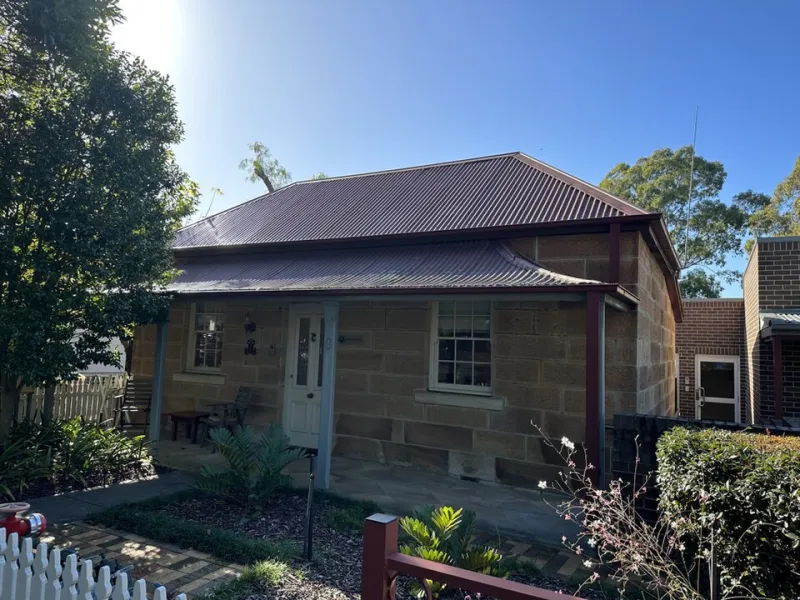
Photo: Chris.sherlock2, CC BY-SA 4.0, via Wikimedia Commons
The Gaps in the Standard Search Pack
A conventional conveyancing search pack — local authority searches, drainage, environmental — catches a great deal. It does not catch everything, and the things it misses tend to be the expensive ones. House-hunters in 2025, navigating a market still digesting leasehold reform and cladding remediation, need to look further than the solicitor's standard list.
The twelve checks below can each be done for free or a nominal fee, and any one of them could save you more than your deposit.
The Legal and Historical Oddities
1. Chancel repair liability. A handful of properties in England carry an ancient obligation to fund church repairs. A specific chancel search (£25 or so) settles the question — worth doing for older properties in rural parishes.
2. Manorial rights and historic mineral rights. The title register may disclose rights retained by a former estate. Read the charges and encumbrances sections of the register yourself; do not rely solely on the summary.
3. Restrictive covenants. Covenants can prohibit anything from running a business to erecting a shed. Some are dormant; some are enforced. Ask your conveyancer which ones have teeth.
The Physical and Environmental Realities
4. Flood risk mapping. The government's long-term flood risk service maps surface water flooding, not just river and sea risk — surface water is the more common and more insurable problem. Check it before, not after, you commit.
5. Tree preservation orders. A protected tree in the garden restricts what you can prune or fell, and the council's online TPO register is public. A majestic oak is a joy; a protected, subsidence-threatening one is not.
6. Subsidence and mining history. Coal Authority reports are standard in mining areas, but check for clay soils and a history of insurance claims too — the seller's property information form will disclose past subsidence if you ask the right questions.
The Money That Isn't in the Mortgage
7. Management company charges. Newer estates especially carry estate rent charges for the maintenance of shared green space — fees that can rise without cap and attach to the freehold. Ask for the charge's terms in writing.
8. Service charge and reserve fund history (flats). Request three years of accounts. A depleted reserve fund means a large bill is coming, and it will be coming from the leaseholders.
9. Cladding and building safety status. For flats, ask for the building's EWS1 or fire safety assessment status. Despite remediation progress, some buildings remain in limbo — and lenders still refuse them.
10. Leasehold reform position. The Leasehold and Freehold Reform Act 2024 began reshaping ground rent and enfranchisement rights, with implementation continuing. For a lease under 90 years, factor extension costs into your offer — or walk away.
The Neighbourhood, Not Just the House
11. Planning applications next door. Spend twenty minutes on the local authority's planning portal searching the postcode. An approved scheme for nine flats behind your garden fence will change your daylight, your parking, and your resale value. The portal also reveals refused applications — often more telling.
12. The street at different hours. Visit on a Tuesday evening and a Saturday morning. Check parking, noise, school-run traffic, and the pub beer garden at the end of the row. No search replaces standing on the pavement.
A Purchase Worthy of the Price
Buying a home is the largest financial commitment most Britons ever make, yet the due diligence often takes less effort than choosing a holiday. None of these twelve checks requires expertise — only an afternoon, a laptop, and the discipline to ask before you exchange. The regret that follows a rushed purchase is expensive; the curiosity that prevents it is free.