Guarantor Agreements: The Hidden Financial Trap That Could Cost Your Family Everything

The Shocking Reality of Guarantor Liability
Every year, thousands of well-meaning parents, grandparents, and relatives sign guarantor agreements to help loved ones secure rental properties across the UK. What many don't realise is that they're potentially exposing themselves to financial obligations that could extend far beyond the monthly rent, lasting years after the tenancy ends.
Unlike a simple reference or character endorsement, becoming a rental guarantor creates a legally binding financial contract that makes you liable for virtually every cost associated with the tenancy. This includes unpaid rent, property damage, legal fees, and even the landlord's lost income during void periods.
What Guarantors Are Actually Signing Up For
The typical guarantor agreement extends far beyond covering missed rent payments. Most contracts hold guarantors responsible for:
Property damage and dilapidations: If tenants cause damage beyond normal wear and tear, guarantors can be pursued for repair costs, often with inflated contractor prices chosen by the landlord.
Legal and administrative costs: Court fees, solicitor costs, and property management charges often fall to guarantors when tenancies go wrong.
Void period losses: Some agreements make guarantors liable for rent during periods when the property remains empty after tenants abandon it.
Joint and several liability: When multiple tenants share a property, guarantors may find themselves responsible for the entire rent if other tenants default, not just their relative's portion.
The Duration Dilemma
Perhaps most concerning is how long guarantor liability can persist. Many agreements continue beyond the initial tenancy term, automatically extending into periodic tenancies that can run indefinitely. Some contracts even maintain guarantor liability during tenancy renewals, meaning you could remain financially exposed for years without realising it.
Under English law, guarantors typically remain liable until they provide formal written notice to terminate their agreement, following specific procedures outlined in the original contract. Simply assuming your obligations end when the initial tenancy expires could prove a costly mistake.
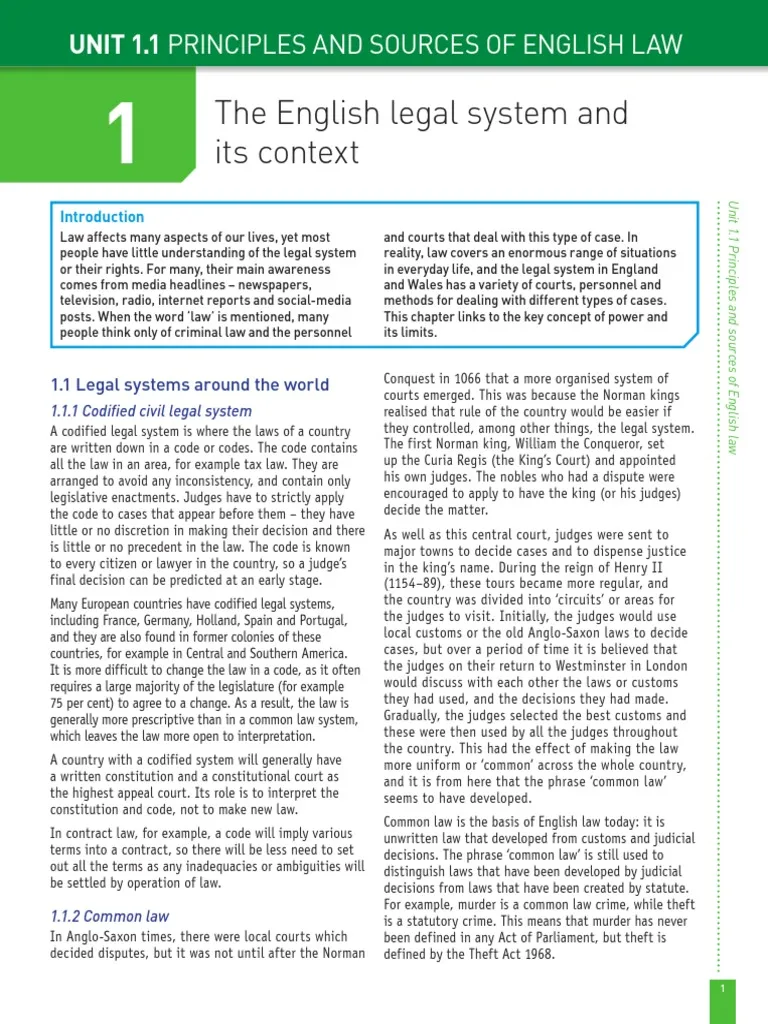 Photo: English law, via imgv2-1-f.scribdassets.com
Protecting Yourself Before You Sign
If you're considering becoming a guarantor, several crucial steps can limit your exposure:
Negotiate liability caps: Request that your maximum liability be capped at a specific amount, such as six months' rent plus a reasonable sum for potential damages.
Demand time limitations: Insist that your guarantor obligations expire after a fixed period, regardless of tenancy extensions or renewals.
Require joint guarantor arrangements: If multiple tenants need guarantors, ensure each guarantor is only liable for their specific tenant's obligations, not the entire group.
Review property condition thoroughly: Document the property's condition before tenancy begins, ensuring you're not held responsible for pre-existing damage.
When Landlords Come Calling
If you receive demands for payment as a guarantor, don't panic or pay immediately. Landlords must follow specific legal procedures and provide evidence of their claims. You have the right to:
Demand detailed breakdowns: Request itemised invoices and evidence for all claimed costs, including proof that reasonable efforts were made to minimise losses.
Challenge unreasonable charges: Question inflated repair costs, unnecessary legal fees, or charges for normal wear and tear.
Verify the tenant's default: Ensure proper notice procedures were followed and that the tenant genuinely breached their obligations.
The Alternative Approach
Rather than signing unlimited guarantor agreements, consider alternative arrangements that provide security for landlords whilst protecting your financial position:
Rent guarantee insurance: Many insurers offer policies that cover landlords against tenant default, removing the need for personal guarantors.
Larger deposits: Offering a higher security deposit can satisfy landlords' security concerns without creating ongoing guarantor liability.
Professional guarantor services: Commercial guarantor companies provide rental guarantees for fees, transferring risk away from family members.
Understanding Your Legal Position
Once you've signed a guarantor agreement, your legal position becomes complex. Unlike tenants, guarantors have fewer statutory protections and cannot usually claim unfair contract terms under consumer legislation. The agreement is typically treated as a commercial contract between equals, regardless of your experience or legal knowledge.
This makes pre-signature negotiation absolutely critical. Once signed, your options for limiting liability become severely restricted, often requiring expensive legal intervention or the landlord's voluntary agreement to modifications.
Making the Right Decision
Becoming a rental guarantor represents a significant financial commitment that could impact your family's security for years. Before agreeing, honestly assess whether you could afford the worst-case scenario of covering full rent, substantial damages, and legal costs simultaneously.
Remember that helping your relative secure housing shouldn't require you to accept unlimited financial risk. A landlord who refuses reasonable limitations on guarantor liability may not be someone you want your family member renting from in the first place.
The decision to guarantee someone's tenancy should never be taken lightly or rushed. Take time to understand exactly what you're signing, negotiate protective terms, and consider whether alternative arrangements might better serve everyone's interests whilst keeping your family's financial security intact.